Tourism in Mogadishu: Overview, History and Visitor Experience
Mogadishu ends up being the doorway for almost anyone traveling to Somalia. You land here first. You find a hotel here. You start to understand the rhythm of the country here before going anywhere else. That alone gives the city a particular role. Tourism does not unfold through giant cruise terminals or long rows of resort hotels lined with tour buses. The scale is smaller and far more deliberate.
Yet the city keeps attracting attention. Some travelers arrive from the Somali diaspora, returning after years abroad, sometimes decades. Others come because of work — journalists, researchers, consultants, development staff. Then there are curiosity-driven travelers looking for places that rarely appear on ordinary tourism maps. Mogadishu shows up on that radar more often now. Not because it behaves like a typical holiday destination. It doesn’t. People come because the place carries weight. History everywhere. Contradictions everywhere. And the Indian Ocean stretching out beside the city.
What makes tourism here interesting is not a single monument. It is the mixture. Ocean wind along the shoreline. Restaurants reopening. New hotels rising between older buildings. Markets bursting with movement and sound. At the same time security checkpoints and guarded compounds remain visible reminders that the city has passed through difficult decades. That contrast shapes the experience more than any landmark.
Why Mogadishu Matters in Somali Tourism
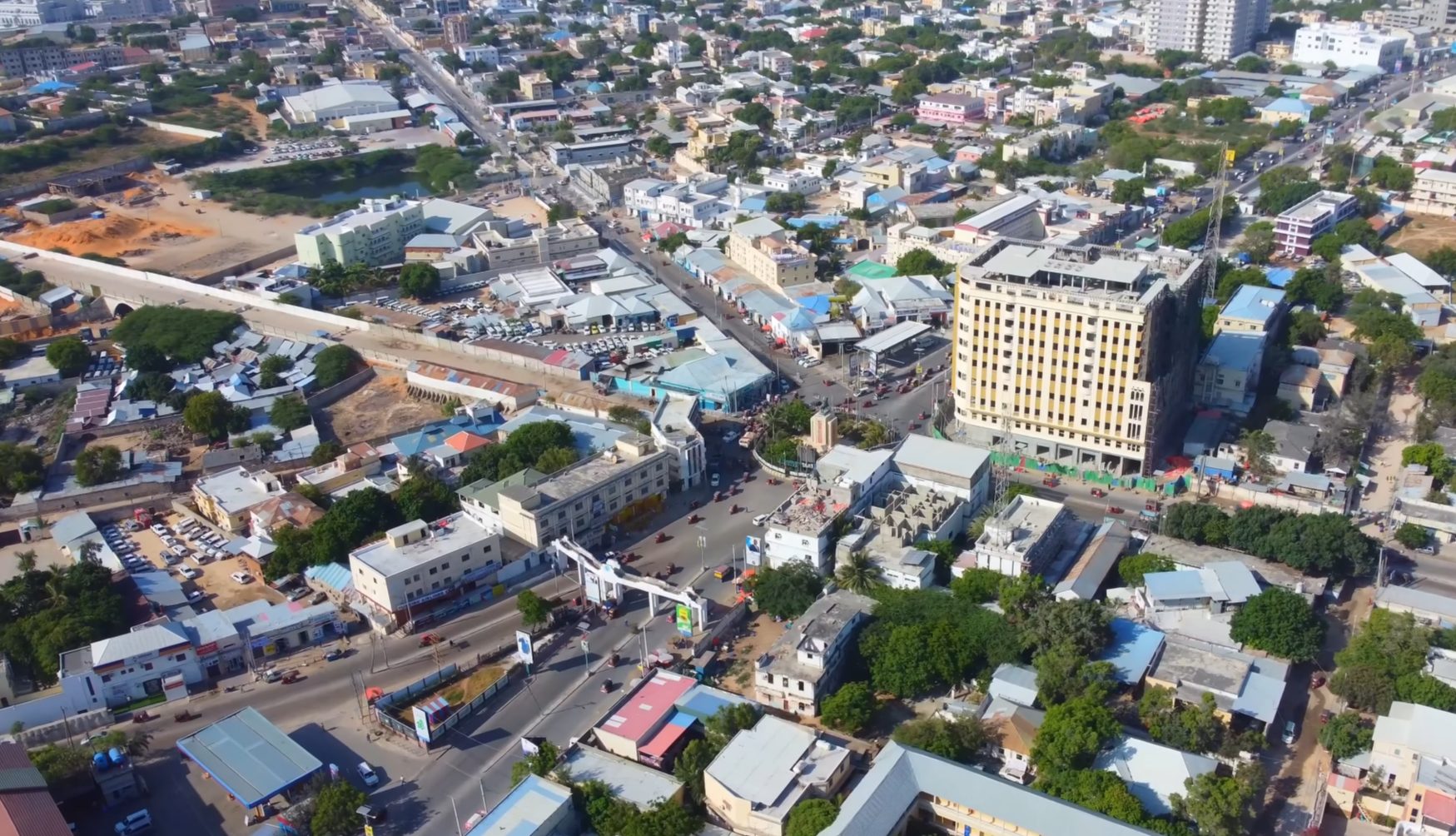
Inside Somalia’s travel landscape Mogadishu carries most of the tourism infrastructure almost by default. The country’s main international airport is located here. A large share of hotels and guesthouses operate here. Visitors entering the country usually pass through the capital first, which naturally concentrates travel services in the city.
- Main international entry point for visitors.
- Largest concentration of hotels and guest accommodation.
- Several of Somalia’s best-known landmarks.
- Operational base for many local tour providers.
- The city most often associated with Somali tourism.
None of that means Mogadishu behaves like a conventional tourism hub. The visitor flow remains limited compared with global travel destinations. Still, discussions about tourism in Somalia almost always return to the capital.
Historical Background of Tourism
Tourism in Mogadishu was not always this unusual niche activity people debate online. Decades ago the city formed part of a very different regional image — Indian Ocean coastline, warm climate, Italian-era architecture, seaside cafés, long urban beaches. Travelers moving through East Africa sometimes included the city in coastal itineraries. White buildings facing the sea gave Mogadishu a visual identity that stood apart from many neighboring capitals.
That earlier chapter matters because tourism today is often described as revival rather than invention. The city is not building tourism from nothing. It is rebuilding something that once existed before political collapse and prolonged conflict transformed the urban landscape.
When civil war erupted the tourism economy effectively disappeared. Hotels closed or were abandoned. International arrivals vanished. The coastline — once a recreational space — stopped functioning that way for years. For a long time the idea of tourism in Mogadishu sounded unrealistic.
Gradually the situation began to shift as stability returned to parts of the capital. Hotels reopened. Restaurants appeared again along the shoreline. Flights increased through Aden Adde International Airport. Public beach life returned. Step by step the city re-entered travel conversations, although always with caution attached.
| Period | Tourism Situation |
|---|---|
| 1960s–1980s | Urban coastal tourism centered on beaches, hotels, and seaside recreation. |
| 1990s–2000s | Tourism collapsed during prolonged conflict and state breakdown. |
| 2010s | Gradual recovery through reconstruction, diaspora visits, and new hospitality investment. |
| 2020s | Growing international curiosity with Mogadishu as the main focus of Somali tourism. |
Tourism Statistics and Scale
By global standards the tourism sector remains small. Visitor arrivals into Somalia have increased slowly from a very modest starting point, and because the capital serves as the main gateway most travelers pass through Mogadishu.
The categories of visitors overlap frequently. Someone may arrive for business meetings and spend evenings exploring the coastline. Journalists often extend work trips to see more of the city. Diaspora travelers combine family visits with time in the capital. Boundaries between travel motives blur easily.
| Indicator | Current Picture |
|---|---|
| International arrivals | Low compared with global tourism flows but gradually increasing |
| Main gateway | Mogadishu |
| Visitor profile | Diaspora travelers, business visitors, journalists, officials, niche tourists |
| Hotel development | Mostly concentrated in the capital |
| Tourism model | Small-scale, security-managed, urban and coastal |
Because the tourism economy is compact, even modest visitor numbers are noticeable. Hotels fill quickly, restaurants become lively in the evenings, and coastal districts attract weekend crowds.
Types of Tourism in Mogadishu
Tourism in the city does not fall into a single category. Travelers often arrive with one purpose and discover other experiences once they are here.
- Cultural tourism: interest in Somali history, architecture, and urban life.
- Beach tourism: time spent along Lido Beach and the Jazeera coastline.
- Historical tourism: visits to monuments, memorial sites, and older districts.
- Diaspora tourism: Somali families returning from abroad.
- Adventure tourism: niche travelers drawn by the city’s unusual reputation.
- Business-linked tourism: work trips combined with time exploring the city.
Because the tourism ecosystem is relatively small, these categories frequently overlap. Meetings in the morning might be followed by an afternoon visit to Bakara Market and dinner near the sea.
Main Tourist Areas
Several places appear repeatedly when visitors talk about Mogadishu. Their importance comes less from monumental scale and more from how they reflect the character of the city.
| Area / Attraction | Why It Matters |
|---|---|
| Lido Beach | A major urban beach and symbol of revived public life in the capital. |
| Jazeera area | Coastal leisure district south of the city center. |
| Old Mogadishu zones | Historic architecture and layered urban history. |
| Bakara Market | One of the largest markets in the region and a key commercial hub. |
| Mogadishu Lighthouse area | A recognizable coastal landmark tied to the city skyline. |
| Peace Garden and memorial sites | Public spaces associated with civic memory. |
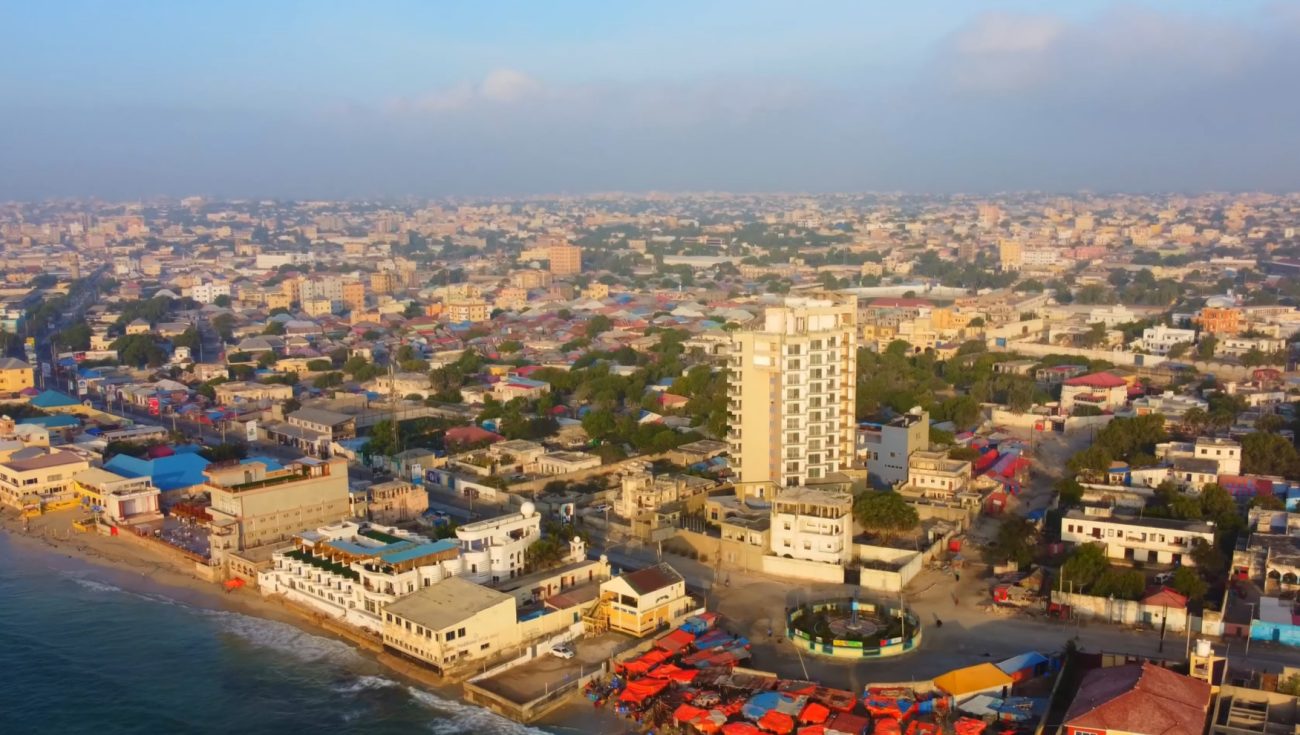
Lido Beach often becomes the most memorable place for visitors. Families gather along the sand, restaurants fill with conversation, and the sea breeze cools the evening air.
The Visitor Experience
Traveling in Mogadishu usually requires preparation. Most foreign visitors do not explore independently in the way they might in other capitals. Movement is typically coordinated through hotels, local contacts, or tour providers who manage transport and security arrangements.
This structure shapes the experience. Routes may be planned carefully and schedules sometimes compressed. Yet visits often become more focused because travelers know they are seeing a city that relatively few outsiders reach.
- arrival through Aden Adde International Airport
- transfer to a hotel compound
- guided visits to selected districts
- time along the coastline or nearby restaurants
- short excursions to markets and landmarks
- meals in well-known city restaurants
For diaspora visitors the rhythm can be entirely different. Family connections determine where they stay, which neighborhoods they visit, and how they move around the city.
What Makes Mogadishu Distinct
Many coastal cities have beaches. Many cities talk about rebuilding after conflict. Mogadishu compresses these narratives into a single urban landscape. Seaside cafés stand near security checkpoints. New hotels rise beside buildings marked by earlier decades. Public life expands in visible ways.
Visitors often mention the gap between expectation and reality. Headlines abroad create one image. Walking through the city reveals something far more complex — markets full of energy, construction projects underway, confident local culture, and the constant wind coming off the ocean.
Challenges Behind the Growth
Tourism continues to grow under constraints. Travel advisories remain strict. Insurance restrictions complicate trips. Airline connections exist but remain limited compared with major travel hubs.
- Security concerns remain the largest barrier to mass tourism.
- The sector remains concentrated in a few districts.
- Global perceptions change slowly.
- Visitor numbers respond quickly to political developments.
- Many trips combine tourism with business or family visits.
Even small numbers of visitors still matter. When travelers share their experiences or images of the coastline and city streets, perceptions gradually shift.
Hotels and Accommodation
Accommodation options in Mogadishu expanded significantly during the past decade. Earlier, visitors had very limited choices, often restricted to a few guarded compounds. Today the city includes modern business hotels, locally run guesthouses, serviced apartments, and some beachside properties.
Security remains part of the operating environment. Hotels serving international guests usually maintain controlled entrances, arranged transport, and coordination with security providers.
| Accommodation Type | Description |
|---|---|
| Business Hotels | Modern hotels offering conference facilities and services for international visitors |
| Beach Hotels | Hotels located near Lido Beach or the Jazeera coastal area |
| Guesthouses | Smaller private accommodations operated by local owners |
| Apartment Hotels | Serviced apartments for longer stays |
These properties rarely depend on vacation travelers alone. They host government delegations, NGO staff, diaspora professionals, and business visitors working in the capital.
Restaurants and Coastal Leisure
One of the clearest signs of Mogadishu’s urban revival appears along the coastline. Evening visits to Lido Beach reveal restaurants glowing with light, families gathering near the water, and groups of friends drinking tea while the ocean breeze moves through the air.
Seafood dominates many menus. Fresh fish grilled over charcoal, lobster when available, rice dishes with strong spices, plates of banana and lime on the side.
- seafood restaurants specializing in fresh fish
- beach cafés and outdoor dining areas
- family-friendly coastal parks
- resorts and recreational facilities
Weekends bring the largest crowds. Residents treat the coastline almost like a shared public living room.
Major Tourist Attractions
Mogadishu is not a museum city filled with ancient monuments. Its appeal lies in layers of history, coastline, and everyday urban life shaped by centuries of maritime trade.
| Attraction | Type | Description |
|---|---|---|
| Lido Beach | Beach | The most famous urban beach in the city |
| Jazeera Beach | Coastal resort | A leisure area south of the city |
| Mogadishu Lighthouse | Historic landmark | A recognizable coastal structure |
| Peace Garden | Urban park | A public recreation space |
| Tomb of the Unknown Soldier | Memorial | A national monument honoring Somali soldiers |
| Bakara Market | Cultural site | The largest commercial market in Somalia |
Tourism Economy
Tourism does not yet dominate the city’s economy, though it supports several sectors. Hotels employ staff, restaurants purchase seafood from local fishermen, and drivers provide transport services for visitors.
- hotel and accommodation services
- restaurants and hospitality businesses
- tour companies and guides
- transport providers
- small retail shops and markets
Even moderate visitor numbers create economic ripple effects through suppliers, service workers, and local businesses.
Government Tourism Policy
The Somali government increasingly discusses tourism as a future economic sector. Policy conversations highlight the country’s long coastline, historical port cities, and cultural heritage.
- simplifying visa procedures for foreign travelers
- encouraging diaspora investment in hotels and resorts
- promoting Somali cultural heritage internationally
- improving airport infrastructure
Implementation may take time, but the policy conversation itself reflects growing interest in the sector.
Challenges for Tourism
Several structural obstacles continue to slow tourism development.
- security concerns affecting international perceptions
- limited international flight connections
- lack of large-scale tourism infrastructure
- limited global marketing of Somali destinations
Future Outlook
Despite these challenges, there is cautious optimism. Private investment continues to expand hotels and restaurants, and coastal districts remain popular gathering places for residents and visitors alike.
If stability continues to improve, Mogadishu could gradually reconnect with its older identity as a major Indian Ocean port city open to international travelers.
Conclusion
Tourism in Mogadishu is still rebuilding, yet the capital already acts as the focal point for travel within Somalia. Beaches, markets, historical landmarks, and a growing hospitality sector shape the city’s emerging visitor economy.
Where the sector moves next will depend on investment, infrastructure development, international perception, and the curiosity of travelers looking for places outside the standard tourism circuit.
Mogadishu certainly belongs in that category.