Mogadishu and Banaadir Region: Facts, Governance, Economy and Infrastructure
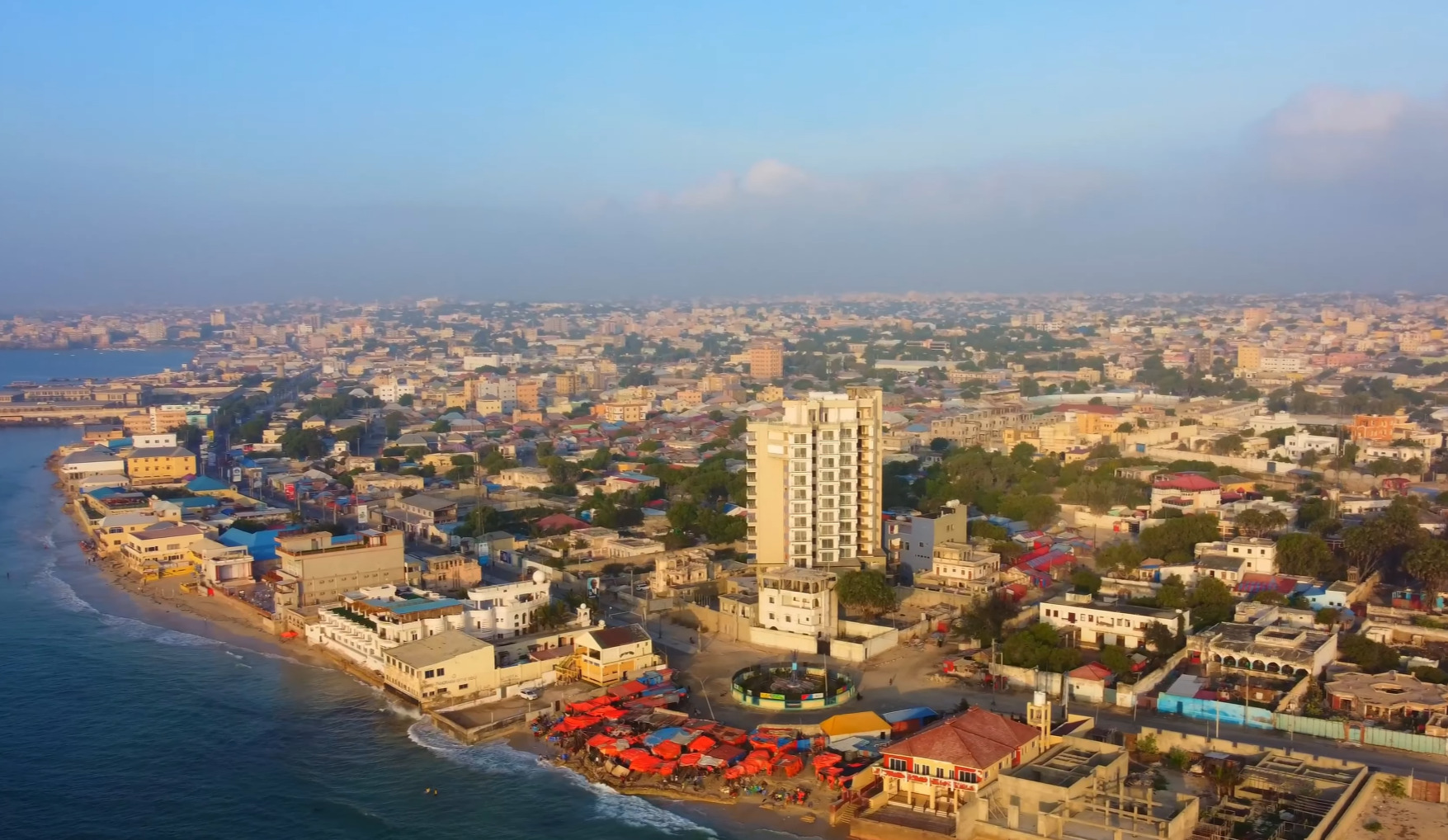
Mogadishu is the capital and largest city of Somalia, sitting right on the edge of the Indian Ocean where the coastline bends and the air always carries a little salt. The city operates as the political center of the country, but calling it only that misses the bigger picture. It is also the place where commerce gathers, where ministries sit, where business networks concentrate. Government offices, financial institutions, telecom companies — everything tends to orbit around Mogadishu one way or another.
Administratively the city forms the core of the Banaadir region, which functions as a special territory rather than a typical federal state region. Banaadir includes the capital and its surrounding districts, essentially forming a metropolitan administrative area where political authority and urban governance overlap. The structure can look unusual on paper, though on the ground it simply means the capital region operates differently from most other parts of Somalia.
Population estimates shift depending on who you ask and what methodology they used, but the number most analysts mention lands somewhere above three million residents. That makes Mogadishu the largest urban concentration in Somalia and one of the biggest cities anywhere in the Horn of Africa. The national government operates from here. The main seaport handles international cargo shipments. The primary airport connects the country with regional and global destinations. Many Somali corporations and telecom providers maintain headquarters in the city as well.
The story of Mogadishu didn’t begin with modern government institutions. Long before contemporary state structures formed, the city functioned as a busy trading port connected to the Indian Ocean world. Ships arrived from the Arabian Peninsula, Persian Gulf and South Asia carrying textiles, spices, ceramics and metals. Traders exchanged those goods for regional products such as ivory, gold and agricultural materials. Ports along the East African coast formed a web of commerce and Mogadishu became one of the stronger nodes in that system.
Trade routes changed shape over time, empires rose and disappeared, governments shifted. Geography stayed the same. A deep harbor facing the Indian Ocean tends to remain relevant no matter the century.
Quick Facts
| Category | Information |
|---|---|
| Country | Somalia |
| Region | Banaadir |
| Status | Capital city |
| Estimated population | ~3.2 million |
| Metropolitan population | Up to ~4 million |
| Administrative districts | 17 |
| Main seaport | Port of Mogadishu |
| International airport | Aden Adde International Airport |
| Elevation | Approximately 9 meters above sea level |
| Time zone | East Africa Time (UTC+3) |
Geographic Location
Mogadishu sits along the southeastern coastline of Somalia facing the open waters of the Indian Ocean. On a map the city appears roughly midway along the country’s long eastern shoreline, placed directly on maritime routes connecting East Africa with the Arabian Peninsula and South Asia.
That placement matters. Ports positioned along active sea lanes tend to attract merchants, sailors, diplomats, cargo fleets — entire ecosystems of movement. Mogadishu grew out of that dynamic centuries ago and still operates within the same geographic logic.
The surrounding terrain remains mostly flat coastal plain. No dramatic mountains rising behind the city, no steep cliffs dividing districts. Instead the urban landscape stretches outward along the coastline and gradually pushes inland where new residential neighborhoods continue appearing. Expansion happens unevenly — some areas modernizing quickly, others holding older structures that look frozen in time.
Large portions of the city lie only a few meters above sea level. You feel that closeness to the ocean everywhere. Warm air, humidity, wind drifting through coastal streets in the afternoon. It shapes daily life more than people sometimes realize.
Being close to the equator means seasonal temperature swings stay fairly limited compared with inland regions of East Africa. The climate feels stable most of the year — warm mornings, hotter afternoons, evenings cooled slightly by ocean breezes moving inland.
Climate
The climate of Mogadishu falls within the tropical savanna category. Temperatures remain warm across the calendar with relatively modest seasonal variation. Daytime conditions typically hover somewhere between 26°C and 30°C depending on the time of year and cloud cover.
Rainfall arrives in recognizable cycles. One longer rainy season normally appears during the middle part of the year when regional atmospheric patterns pull moisture inland from the Indian Ocean. Another shorter rainy interval arrives later in the calendar, sometimes delivering quick heavy storms followed by long dry stretches.
- Average annual temperature: 27–30°C
- Main rainy season: April–June
- Secondary rainy season: October–November
- Climate classification: Tropical savanna
Outside those periods the weather often turns dry and bright for extended weeks. Winds blowing off the ocean moderate extreme heat, which makes the coastal climate somewhat more stable than inland desert regions further north.
Natural Environment
The natural landscape surrounding Mogadishu consists mostly of coastal plains transitioning gradually into semi-arid savanna environments. Vegetation remains sparse compared with tropical rainforest zones — scattered shrubs, drought-resistant grasses, hardy plants that tolerate long dry seasons.
Somalia contains two major river systems, the Shabelle and Jubba rivers, which flow through southern agricultural regions. Those rivers support farming zones and irrigation networks farther inland. Neither passes directly through Mogadishu itself, which means the capital depends heavily on groundwater extraction and urban water infrastructure to meet the needs of its population.
Freshwater access therefore becomes a recurring urban planning issue. Population growth increases demand, infrastructure upgrades move slowly, and city authorities constantly work to balance supply systems with expanding residential districts.
The ocean provides a different kind of resource entirely. Coastal waters support fisheries that remain important for both local food supply and small commercial operations. Early mornings along certain beaches you still see fishing boats returning from overnight trips — wooden hulls, nets piled high, crews unloading the catch before the sun climbs too high.
Strategic Importance
Mogadishu’s strategic value comes from its geography. A port located along active maritime corridors between East Africa and the Arabian Peninsula naturally becomes a point of contact between regions. Traders arrive. Ships anchor. Goods change hands.
Historically those interactions connected the Somali coast with distant markets across the Indian Ocean basin. Cultural influences traveled alongside trade — architecture, languages, religious scholarship, navigation techniques. Ports tend to absorb ideas as easily as they absorb cargo.
Today the same coastal advantage keeps Mogadishu central to Somalia’s transportation network. The city’s seaport handles a large share of imported goods entering the country. The international airport serves as the primary aviation gateway for diplomatic travel, humanitarian operations and business flights.
Politics happens here. Commerce concentrates here. Infrastructure projects begin here more often than anywhere else in the country. Sometimes cities become important because governments plan them that way. Mogadishu became important because geography quietly pushed history in that direction.
Historical Background
Mogadishu carries one of the longest urban stories along the East African coast. Not a small one either — the timeline stretches back well over a thousand years, maybe longer depending on which archaeological layers you trust. Ports are strange places like that. They grow slowly, almost quietly at first. Fishing villages. A few traders anchoring offshore. A market that appears because sailors need food, rope, water, spare sails… and then the place starts pulling people in.
Geography did half the work. The city sits right on the Indian Ocean trade routes linking the Horn of Africa with the Arabian Peninsula, Persia, India and the wider maritime world. Ships moving along the monsoon wind system naturally passed this coastline. When merchants found a port that worked — safe anchorage, access to inland trade, reliable exchange — they returned again and again.
Over generations those trading stops turned into permanent settlements. Houses replaced temporary huts. Markets expanded toward the shoreline. Caravans from the interior began arriving regularly carrying ivory, gold, hides, livestock. Goods from the ocean moved inland. African commodities moved outward across the sea.
It wasn’t a single dramatic moment when the city appeared. More like slow accumulation. Trade routes thickening year after year until the place simply became unavoidable.
Early Coastal Settlements
Before Mogadishu grew into a major urban center the Somali coastline was dotted with smaller coastal communities. These early settlements lived mostly from the sea — fishing, small maritime trade, occasional exchange with passing merchants who dropped anchor offshore.
Life in those early villages revolved around tides and seasonal winds. Boats going out early in the morning. Nets drying along the beach. Traders arriving from distant ports with textiles, beads, spices and metal tools.
The coastline itself helped the process along. Certain sections provided natural anchorages where ships could safely stop during long voyages across the Indian Ocean. Once traders realized this harbor worked, the traffic gradually increased.
Caravans from inland regions eventually linked up with the port. Goods from deeper parts of East Africa reached the coast through networks of traders moving slowly across dry landscapes and river valleys. That connection — ocean routes meeting inland commerce — turned Mogadishu into something larger than a fishing settlement.
Ports are magnets. Trade accumulates, wealth follows, buildings grow taller. It happens everywhere along major sea routes.
Medieval Trade City
By the medieval period Mogadishu had already transformed into a powerful commercial city. Local rulers governed the port while merchant families managed large parts of the economic life. Ships from Arabia and Persia arrived regularly, bringing textiles, ceramics, spices, manufactured goods that circulated through markets along the African coast.
The port became cosmopolitan in the way trading cities usually do. Languages mixing in marketplaces. Foreign sailors staying for weeks waiting for wind patterns to shift. Somali traders negotiating prices with merchants who had traveled thousands of kilometers across open water.
One of the most famous glimpses into this period comes from the Moroccan traveler Ibn Battuta. During his journey along the East African coast he stopped in Mogadishu and described a wealthy, well-organized trading city with impressive houses and active commercial districts.
His account gives the impression of a place already confident in its importance. Markets filled with imported goods. Merchant elites controlling trade networks that stretched across the Indian Ocean basin.
Textiles produced locally circulated through those networks as well. Somali cloth gained a reputation in several regional markets, which meant workshops and weaving districts inside the city probably worked nonstop supplying traders.
When a port reaches that level of activity it stops being a regional center. It becomes part of a much larger system connecting continents.
European Contact
Then Europe began pushing into the Indian Ocean.
During the late fifteenth and early sixteenth centuries Portuguese explorers arrived along the East African coast searching for control over maritime trade routes. Their strategy leaned heavily on naval power — establish fortified ports, disrupt existing commerce, redirect trade toward their own networks.
Several coastal cities experienced raids or military pressure during this period. Some ports fell temporarily under Portuguese influence.
Mogadishu’s situation played out a little differently. The city encountered Portuguese fleets but largely maintained independence. Local rulers and merchant networks continued operating their trading systems, adapting where necessary but never fully collapsing under European control.
The Indian Ocean trade world was too decentralized for any single power to dominate completely. Merchants adjusted routes. Alliances shifted. Trade continued anyway.
Italian Colonial Period
Centuries later a different wave of European expansion reached the Horn of Africa. Colonial powers began dividing the continent into territorial possessions. The Somali coast eventually came under Italian administration and Mogadishu became the capital of Italian Somaliland.
Colonial authorities introduced new urban planning projects intended to support administration and trade. Roads appeared where older paths once ran. Government buildings rose near the port district. Administrative offices formed a new colonial center inside the city.
Architecture changed during this period. European style buildings — wide boulevards, official squares, government compounds — appeared alongside older sections of the city that had grown organically through centuries of commerce.
Port infrastructure expanded as well. Improved docks, storage facilities and transport links connected Mogadishu more tightly to colonial trade networks moving goods across the Mediterranean and the Indian Ocean.
Cities often absorb colonial layers into their physical layout. Walk through certain districts and you can still see those architectural fingerprints.
Independence and the Somali Republic
The colonial period eventually gave way to independence when British Somaliland and Italian Somaliland unified into a single state. Mogadishu became the capital of the Somali Republic and the focal point of national politics.
Government ministries, universities and diplomatic missions concentrated inside the city. Civil servants arrived from across the country. Students filled lecture halls. Foreign embassies opened offices near the administrative districts.
Population growth accelerated. New residential neighborhoods expanded outward from the historic core. Construction reshaped large sections of the city as modern infrastructure appeared — roads, public buildings, housing developments meant to accommodate a rapidly growing capital.
For a period Mogadishu carried the energy of a young national capital trying to define its identity.
Civil War and Instability
The atmosphere shifted dramatically when political conflict escalated and the central government collapsed during the early 1990s. Mogadishu became one of the primary arenas affected by the Somali Civil War.
Large sections of the city suffered damage. Infrastructure deteriorated. Public services fractured as institutions struggled to operate under instability.
Many residents fled their homes. Families relocated to safer regions or left the country entirely. International organizations and peacekeeping missions arrived at different moments attempting to stabilize conditions and deliver humanitarian aid.
Still, the city never completely stopped functioning. Markets reopened even during tense periods. Informal trade networks continued operating. Small businesses adapted to whatever circumstances existed at the time.
Urban life has a stubborn resilience like that.
Reconstruction and Modern Development
Gradually Mogadishu entered a phase of recovery. Government institutions re-emerged. Reconstruction projects began repairing roads, rebuilding public facilities and restoring infrastructure damaged during the conflict years.
Investment from Somali entrepreneurs and diaspora communities accelerated the rebuilding process. Hotels reopened. New office buildings appeared across commercial districts. Residential construction spread outward into expanding neighborhoods.
Telecommunications companies built some of the fastest growing sectors of the urban economy. Mobile networks expanded quickly and digital financial services became common across everyday transactions.
The city continues evolving — a mixture of ancient trading port, colonial capital, conflict survivor and modern metropolis trying to grow again. Walk through different districts and you can almost read the layers of history stacked on top of each other.
Timeline of Major Historical Events
| Period | Event |
|---|---|
| Early centuries | Small coastal settlements appear along the Somali shoreline and begin maritime trade with passing merchants |
| 10th–14th centuries | Mogadishu develops into a powerful trading city connected to the Indian Ocean commercial network |
| 14th century | Moroccan traveler Ibn Battuta visits the city and describes a prosperous port with active markets |
| 16th century | Portuguese expeditions reach the East African coast and interact with regional trading cities |
| Late 19th century | Mogadishu becomes part of Italian Somaliland and grows into a colonial administrative center |
| 1960 | Somalia gains independence and Mogadishu becomes the national capital |
| 1991 | Collapse of central government and escalation of the Somali Civil War |
| 2000s–present | Gradual reconstruction, economic recovery and continued urban expansion |
Population and Demographics
Mogadishu is the largest city in Somalia. No debate there. It’s also the most crowded urban space in the country, the place where roads, markets, apartment blocks, government buildings and dusty neighborhoods all press together in a kind of restless sprawl. Exact population numbers are slippery. Somalia hasn’t had a fully consistent national census in decades, and the city changes too fast anyway. Still, most international studies circle around a similar figure — roughly 3.2 million residents inside the city itself. Stretch the boundary out into the broader metropolitan zone and the number edges toward four million people.
The growth has been intense. Honestly a little chaotic if you walk around certain districts. Mogadishu has absorbed huge waves of migration over the past several decades. People move here from rural regions, smaller towns, drought-stricken agricultural areas, places where jobs dried up or security became fragile. The capital pulls them in because opportunities concentrate here. Ports. construction. trade. government offices. NGOs. universities. You get the idea.
Some families arrive with long-term plans. Others come with almost nothing, hoping the city will figure something out for them. Somehow it usually does.
Population Estimates
| Indicator | Estimate |
|---|---|
| City population | ~3.2 million |
| Metropolitan population | Up to ~4 million |
| Region | Banaadir |
| Population density | High urban density |
| Urban growth rate | Rapid |
Population growth didn’t happen overnight. Mid-century Mogadishu was actually a modest coastal town by global standards. Things began accelerating after independence in 1960 when the capital became the administrative and economic heart of the country. Government ministries expanded. Infrastructure projects started. Rural migrants arrived looking for employment or education.
Then the city kept expanding. Layer after layer. Markets growing around transport hubs. Residential districts pushing outward. Informal settlements forming first, then gradually stabilizing as electricity lines and paved roads catch up.
Population Growth Over Time
| Year | Estimated Population |
|---|---|
| 1950 | ~55,000 |
| 1970 | ~350,000 |
| 1990 | ~1 million |
| 2010 | ~2 million |
| 2025 | ~3.2 million |
That trajectory tells a lot about Mogadishu. A small colonial port evolving into a major Horn of Africa metropolis in the span of a few generations. Population curves like this usually come with complications — infrastructure pressure, housing shortages, traffic chaos, patchy public services. Mogadishu deals with all of it. Still growing.
Urban Expansion
Urban expansion spreads outward across the Banaadir region in uneven waves. Some districts grow slowly. Others explode almost overnight when new housing developments appear or displaced communities settle on available land.
Areas such as Daynile, Kaxda and Dharkenley have seen particularly strong population increases. Drive through those zones and you’ll see the pattern clearly — fresh concrete homes, small shops opening along dirt roads, construction materials stacked beside partially finished buildings. Entire neighborhoods forming piece by piece.
- Rural-to-urban migration
- Economic opportunities in the capital
- Population displacement from drought-affected regions
- Expansion of new residential districts
None of these factors operate alone. Migration flows overlap with economic shifts, climate pressure, and national politics. The result is a city that keeps expanding outward whether planners fully expect it or not.
Ethnic and Clan Structure
Somali society traditionally revolves around clan networks. It’s a deeply embedded social structure — influencing politics, alliances, family ties, even everyday introductions. Mogadishu reflects this system but in a more mixed, layered way than many other Somali cities.
The Hawiye clan family historically holds strong presence in the Banaadir region surrounding the capital. Several sub-clans settled in and around Mogadishu long before the city expanded into its modern form. Their influence still appears in local politics and community leadership structures.
But the capital is not dominated by a single group. People from Darod, Dir, Rahanweyn and many other clans live in Mogadishu as well. Traders, students, civil servants, port workers, construction crews — residents arrive from almost every corner of Somalia.
That mix gives the city a distinct social character. Walk through a busy market and you’ll hear accents from different regions, different dialect rhythms blending together. It’s one of the few places in the country where that level of demographic diversity feels normal.
Languages
Somali is the language you hear everywhere in Mogadishu. Street conversations, market negotiations, taxi drivers arguing about fares, radio broadcasts, neighborhood chatter late in the evening. It carries daily life.
Arabic also holds a strong cultural presence. Religious education introduces many residents to Arabic early in life, and historical trade connections with the Arabian Peninsula reinforce the linguistic link. Words slip easily between Somali and Arabic in certain contexts.
English appears more often in education, business, and international institutions operating inside the capital. Universities teach many programs in English. Government ministries use it for formal documentation. Development organizations rely on it for coordination with global partners.
| Language | Usage |
|---|---|
| Somali | Primary spoken language |
| Arabic | Religious and cultural use |
| English | Education, business and international organizations |
Religion
Islam shapes daily life across Mogadishu. The majority of residents identify as Sunni Muslims, and religious traditions weave naturally into social routines, community gatherings and local customs.
Mosques appear in nearly every district. Some are large historic structures with tall minarets. Others are small neighborhood buildings tucked between houses and shops. The call to prayer moves across the city five times each day, echoing from one district to another.
Religious education also plays an important role for children. Many attend Quranic schools alongside regular classroom education. Early mornings often begin with recitation before the rest of the day unfolds.
Migration and Internally Displaced People
Mogadishu hosts one of the largest populations of internally displaced people in Somalia. Families arrive after losing crops during droughts, after livestock herds collapse, or after insecurity forces entire communities to relocate.
These displaced populations often settle in temporary camps or informal neighborhoods along the outer edges of the city. Over time some settlements evolve into more permanent districts. Small businesses appear. Roads slowly improve. Schools and clinics begin operating.
Humanitarian organizations work closely with local authorities to provide assistance programs in these areas. Food distribution initiatives, shelter construction, sanitation projects, healthcare services — all part of the effort to stabilize communities that arrived with very little.
Migration continues to reshape the demographic landscape of Mogadishu. New residents bring skills, labor, trade networks, cultural influences. The city absorbs them, changes a little, expands again. That cycle never really stops.
Government and Administration
Mogadishu sits at the political heart of Somalia. Everything flows through the city in one way or another — decisions, ministries, negotiations, endless administrative work. It’s the capital, yes, but it’s also the center of the Banaadir region, which creates a slightly unusual governing structure compared with most other parts of the country.
Banaadir isn’t organized like the federal member states found elsewhere across Somalia. The region works more like a special administrative territory built around the capital itself. The same governing body manages the city and the surrounding districts, so municipal government and regional administration overlap constantly. It’s messy sometimes. But it functions.
Banaadir Regional Administration
The Banaadir Regional Administration — people usually call it BRA — runs the everyday governance of Mogadishu. City planning, sanitation services, roads, drainage, urban development, district coordination. All of it funnels through this administrative structure.
At the top stands the Mayor of Mogadishu, who also holds the title Governor of Banaadir. Same office, two titles. The mayor isn’t elected locally; the position is appointed by the President of Somalia. That arrangement shapes the political dynamic of the city government in ways outsiders sometimes miss.
Below the mayor sits a network of deputy mayors, municipal departments and administrative units responsible for specific sectors. Finance offices handle municipal budgets. Urban planning teams review development permits. Infrastructure departments manage road projects, public buildings, sanitation networks. A lot of routine administrative work — the kind that rarely appears in headlines but quietly keeps a city operating.
Structure of City Government
The governing structure of Mogadishu works through several layers of authority. Some decisions originate at the federal level. Others move through the city administration before reaching district officials responsible for day-to-day management on the ground.
| Position | Role |
|---|---|
| President of Somalia | Appoints the Mayor of Mogadishu |
| Mayor of Mogadishu / Governor of Banaadir | Head of city administration |
| Deputy Mayors | Support municipal governance and administrative coordination |
| District Commissioners | Local administrators responsible for individual districts |
| Municipal Departments | Urban planning, sanitation services, finance, infrastructure |
Mayor of Mogadishu
The mayor functions as the chief executive authority of the capital. Responsibilities stretch across urban planning, infrastructure projects, municipal budgeting and supervision of the district administrations. Some days the work revolves around road construction or drainage repairs. Other days involve negotiations with national ministries or foreign development programs.
Because the national government is based in the same city, the mayor’s office spends a lot of time coordinating with federal institutions. Ministries launch infrastructure initiatives. International organizations fund development programs. Security agencies operate across the capital. The mayor ends up navigating between all of them.
City Hall in Mogadishu serves as the administrative center of the Banaadir Regional Administration. The building itself has a long institutional history, layered with different political eras. Walk around the complex and you’ll notice the blend of old architecture and busy government offices packed into the same space.
Federal Government Institutions
Being the national capital changes everything. Mogadishu hosts the primary institutions of the Somali federal government, which means political activity concentrates heavily inside the city.
- Office of the President of Somalia
- Office of the Prime Minister
- Federal Parliament of Somalia
- National ministries and government agencies
- Diplomatic missions and embassies
Embassies, international organizations and development agencies cluster around these institutions. Diplomatic compounds, UN offices, donor programs — the city has become the main arena where Somali domestic politics intersects with international diplomacy.
Administrative Districts
Mogadishu is divided into seventeen administrative districts. Each district is managed by a District Commissioner appointed through the Banaadir Regional Administration. These officials act as local administrators responsible for implementing municipal policy and coordinating services within their territory.
District offices handle a lot of practical matters. Local sanitation programs. Neighborhood infrastructure projects. Communication between residents and the city administration. In many ways they operate as the closest layer of government people interact with on a daily basis.
| District | Description |
|---|---|
| Abdiaziz | Northern coastal district |
| Bondhere | Central district with historic neighborhoods |
| Daynile | Large district experiencing rapid urban growth |
| Dharkenley | Residential district with expanding development |
| Hamar Jajab | Historic district in the old city area |
| Hamar Weyne | One of the oldest districts of Mogadishu |
| Hodan | Major residential and commercial district |
| Hawl-Wadag | Central district with commercial activity |
| Heliwaa | Northern district with growing urban population |
| Karaan | Mixed residential district |
| Shibis | Historic residential district |
| Shangani | Historic coastal district near the port |
| Waberi | Central district containing government offices |
| Wadajir | District located near Aden Adde International Airport |
| Warta Nabada | Administrative district with government institutions |
| Yaqshid | Densely populated residential district |
| Kaxda | Rapidly expanding district on the outskirts of the city |
Local Governance
District administrations form the working link between residents and the central municipal government. When neighborhoods need road repairs, sanitation services or small infrastructure improvements, district commissioners usually coordinate those requests with the broader city administration.
Urban growth across Mogadishu keeps pushing the administrative system to adapt. New residential areas appear on the outskirts, population density increases, transportation pressure grows inside central districts. Managing that expansion requires constant coordination between district authorities and the Banaadir Regional Administration — not always smooth, but essential for keeping the capital functioning.
Districts of Mogadishu
Mogadishu spreads across seventeen administrative districts that together form the urban structure of the Banaadir region. On a map the divisions look neat and bureaucratic — lines separating neighborhoods into units of governance. On the ground the borders feel less rigid. Streets cross from one district to another without ceremony, markets spill into surrounding neighborhoods, and daily life rarely pauses to acknowledge administrative lines.
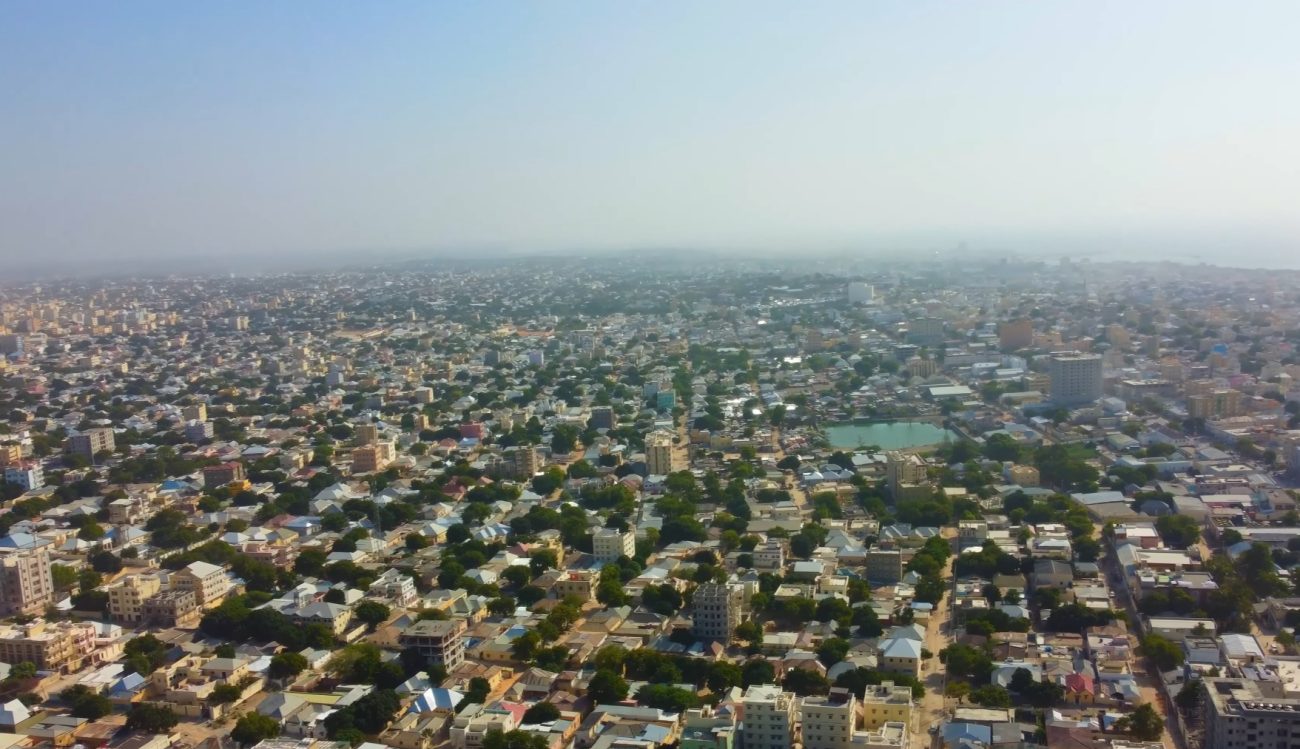
Still, those districts matter. They are the basic building blocks of local administration inside the capital. Municipal services, infrastructure projects, sanitation programs, security coordination — much of that responsibility moves through district-level governance before it reaches residents.
Each district is overseen by a District Commissioner appointed by the Banaadir Regional Administration. These commissioners supervise local administration offices, coordinate development projects, and act as intermediaries between the central city government and neighborhood communities. Some districts operate smoothly with organized municipal structures. Others feel more improvised, shaped by population growth that sometimes outpaces planning.
The character of the districts varies widely. A few contain the oldest neighborhoods in the city — narrow streets, historic mosques, architecture that carries traces of centuries of Indian Ocean trade. Other districts sit on the expanding edge of Mogadishu where new residential zones keep appearing almost year by year. Urban growth rarely moves evenly. One neighborhood modernizes quickly while another keeps its older rhythm.
Administrative Districts
| District | General Characteristics | Notes |
|---|---|---|
| Abdiaziz | Coastal residential district | Northern coastline |
| Bondhere | Historic central district | One of the older areas of Mogadishu |
| Daynile | Large and expanding district | Rapid population growth |
| Dharkenley | Residential district | Urban expansion area |
| Hamar Jajab | Historic district | Old city area |
| Hamar Weyne | Historic commercial district | One of the oldest districts |
| Hodan | Major residential and commercial district | Dense urban population |
| Hawl-Wadag | Central business activity | Mixed residential and commercial |
| Heliwaa | Northern residential district | Growing population |
| Karaan | Northern district | Mixed residential zones |
| Shibis | Historic residential district | Near central Mogadishu |
| Shangani | Historic coastal district | Near the port area |
| Waberi | Central district | Government offices and businesses |
| Wadajir | Airport district | Near Aden Adde International Airport |
| Warta Nabada | Administrative district | Government institutions |
| Yaqshid | Residential district | Densely populated |
| Kaxda | Expanding suburban district | Rapid urban growth |
Historic Districts
Some districts still hold the historical core of Mogadishu. Walk through certain streets and the sense of age becomes obvious — older stone buildings, mosques whose foundations stretch back generations, coastal architecture shaped by Arab and Indian Ocean influences. These neighborhoods formed the nucleus of the city when Mogadishu was already functioning as a trading port centuries ago.
- Hamar Weyne
- Hamar Jajab
- Shangani
- Shibis
These areas carry layers of urban history. Traditional houses with interior courtyards, mosques that have stood through different political eras, alleyways built long before modern road planning existed. Parts of the old city feel quiet, almost contemplative. Other sections buzz with small shops and street commerce.
Honestly, the atmosphere shifts block by block.
Rapidly Expanding Districts
Not all of Mogadishu is old stone and narrow streets. Several districts on the edges of the city are expanding quickly as population growth pushes urban development outward. New housing projects appear, informal markets take shape, small businesses follow the flow of residents.
- Daynile
- Kaxda
- Dharkenley
- Heliwaa
These districts absorb much of the city’s demographic pressure. Families arriving from other regions of Somalia settle here, sometimes building homes gradually, sometimes renting newly constructed apartments. Roads improve slowly. Electricity lines appear. Shops open where enough people gather.
Urban growth often looks messy during the early stages. Neighborhoods evolve faster than formal planning documents expect.
Role of District Administration
District administrations carry a large share of responsibility for implementing municipal policies at the neighborhood level. Local offices coordinate sanitation services, supervise road maintenance, manage waste collection and help organize community development programs.
District commissioners function as representatives of the Banaadir Regional Administration inside their jurisdictions. They oversee municipal employees, coordinate with security authorities and respond to community concerns that reach the district offices.
Sometimes the work feels routine — repairing drainage systems, supervising road paving, managing public facilities. Other times it becomes more complicated as districts deal with rapid urban expansion and rising population density.
Mogadishu continues to grow outward and upward at the same time. New residential areas appear, older neighborhoods evolve, infrastructure projects move forward in stages. District administrations sit right in the middle of that process, managing the practical realities of a capital city that never really stops changing.
Economy of Mogadishu
Mogadishu runs on commerce. Always has. The city sits on the Indian Ocean and that single geographic fact shaped almost everything about its economic life — ships arriving, goods unloading, markets forming around the port, traders arguing about prices somewhere under a corrugated metal roof while the ocean wind blows dust through the street.
Today the capital functions as the economic center of Somalia. Most major Somali companies operate here. Financial institutions, telecommunications firms, trading houses, logistics operators — all concentrated inside the city. Add the country’s largest seaport and the main international airport and you start to see why Mogadishu dominates the national economy.
Cargo enters through the harbor, containers stacked like oversized bricks along the docks. Goods move outward through road networks connecting the capital with regional markets. Money flows in the opposite direction — traders returning to the city with profits, new shipments, fresh deals already negotiated.
Over the past years economic activity accelerated noticeably. Private investment increased. Diaspora funding poured into construction projects, hotels, apartment blocks, shopping centers, small businesses that appear suddenly along newly paved streets. Some neighborhoods feel like giant construction zones. Cranes above rooftops, trucks delivering cement, workers laying bricks in the heat.
Honestly it can feel chaotic. But it’s also a sign of momentum.
Main Economic Sectors
Several industries drive the economic life of Mogadishu. Some are modern service sectors, others older commercial activities that existed long before the modern state.
- International trade and logistics
- Telecommunications services
- Financial services and banking
- Construction and real estate development
- Retail markets and small enterprises
- Transportation and port operations
The private sector carries most of the economic weight. Somali entrepreneurs run many of the companies operating in the city. Investment from diaspora communities plays a major role as well — people who left decades ago returning with capital, business connections and sometimes a strong desire to rebuild parts of the economy.
Government institutions exist of course, but the energy of the economy usually comes from private initiative. Markets open because traders decide they should exist.
Trade and Commerce
Trade sits at the core of Mogadishu’s economy. It always has. The city’s location along the Indian Ocean gives merchants direct access to international shipping routes connecting Africa with the Middle East and Asia.
Ships arriving at the Port of Mogadishu unload a wide range of cargo. Food shipments. Construction materials. Electronics stacked in sealed containers. Vehicles shipped across the Gulf. Everyday consumer goods destined for markets across Somalia.
After arriving at the port these goods move inland through transport networks — trucks heading toward regional towns, distribution centers inside the capital, wholesale markets where traders buy large quantities for resale.
Exports move outward as well. Livestock shipments remain important. Agricultural goods from Somali farms. Fish harvested along the country’s long coastline. Some of these products travel across the Red Sea or Gulf markets where demand remains strong.
Standing near the port you can actually feel the economic pulse of the country. Cargo cranes, shouting dock workers, trucks idling in long lines waiting for paperwork clearance. Organized chaos.
Bakara Market
If the port is the gateway to the national economy, Bakara Market is its beating commercial heart.
Located in central Mogadishu, Bakara Market stretches across a large section of the city and contains hundreds of shops, warehouses and trading stalls. Walking through the market feels like entering a dense maze of commercial activity. Narrow pathways between rows of small stores. Merchants calling customers inside. Goods stacked high in every direction.
Clothing. Electronics. household goods. building materials. spare car parts. imported appliances. food products. If something is traded in Mogadishu, chances are it passed through Bakara at some point.
The market also acts as a hub for currency exchange and informal financial services. Traders move money constantly, sometimes through mobile payment systems, sometimes through traditional remittance networks.
Bakara operates almost like its own economic ecosystem. Loud, crowded, slightly overwhelming — but incredibly efficient once you understand how it works.
Telecommunications Sector
One of the most dynamic parts of the economy might surprise people: telecommunications.
Somalia developed a fast growing telecom sector and many of the country’s major companies operate directly from Mogadishu. Mobile networks spread across the city, providing communication services and internet connectivity even in districts where traditional infrastructure remains limited.
Phones drive much of the daily economic activity. People transfer money through mobile payment platforms, pay bills digitally, manage business transactions through apps running on inexpensive smartphones.
Walk into a small shop and the owner might accept digital payments instantly. Street vendors use mobile wallets. Taxi drivers check balances before starting a trip.
It’s one of those unexpected cases where technological systems leap ahead faster than physical infrastructure.
Banking and Financial Services
The financial sector in Mogadishu expanded significantly as commercial banks and financial institutions established operations inside the capital. Several banks now offer services such as savings accounts, business loans, currency exchange and international transfers.
Remittances from the Somali diaspora form one of the strongest financial lifelines supporting the economy. Millions of Somalis living abroad send money home regularly to support relatives, fund businesses and invest in property.
Those remittance flows circulate through the urban economy — families spending income in local markets, entrepreneurs launching small companies, construction projects financed through money arriving from overseas.
Without diaspora transfers the economic landscape would probably look very different.
Major Companies in Mogadishu
| Company | Sector |
|---|---|
| Hormuud Telecom | Telecommunications |
| Somtel | Telecommunications |
| Nationlink Telecom | Telecommunications |
| Salaam Somali Bank | Banking |
| Premier Bank | Banking |
| Dahabshiil | Financial services and remittances |
Construction and Real Estate
Construction cranes rising above the skyline tell another story about Mogadishu’s economy. Real estate development expanded rapidly as investors funded residential complexes, hotels, office towers and commercial buildings across several districts.
Parts of the city look almost unrecognizable compared with older photographs. Glass-fronted buildings appearing beside traditional structures. Apartment blocks rising where open land once stood.
Demand for housing remains high as population growth continues and more Somalis return from abroad. Office space for businesses also expanded as the private sector grows.
You’ll see new hotels opening near the airport corridor, restaurants appearing along major roads, commercial centers filling with shops and cafés. The construction sector feeds into dozens of other industries — transport, materials supply, architecture, engineering services.
Cities rebuild themselves through construction. Brick by brick.
Economic Challenges
Despite the visible growth, Mogadishu still faces real economic challenges. Infrastructure gaps affect logistics and energy supply. Electricity costs remain high in many districts because much of the power generation relies on private operators.
Unemployment remains an issue, especially among younger residents entering the labor market each year. Industrial production remains limited compared with service sectors like trade and telecommunications.
Still, the role of the capital inside Somalia’s economic system keeps Mogadishu firmly positioned as the country’s primary commercial engine. Goods pass through its port. Financial flows circulate through its banks and telecom platforms. Markets operate across its districts from sunrise until late evening.
Messy sometimes. Loud. Always moving.
Infrastructure of Mogadishu
Infrastructure in Mogadishu is one of those topics that sounds dry at first — roads, ports, cables, terminals — but honestly it’s the skeleton of the whole city. Everything depends on it. Trade flows through it. People move across it every morning. Businesses either survive because the system works… or struggle when it doesn’t.
As the capital of Somalia and the largest urban center in the country, Mogadishu carries the weight of the national infrastructure network. The main seaport sits here. The primary international airport too. Major road corridors run through the city toward inland regions, and the telecommunications sector has grown into something surprisingly advanced. In some ways, digital systems leapfrogged older infrastructure entirely.
Over the last years reconstruction projects and private investment started reshaping parts of the city. You see it in new paved roads, expanded port facilities, upgraded airport terminals, fiber lines appearing under streets that were dusty tracks not long ago. Progress comes unevenly, sure, but it comes.
Port of Mogadishu
The Port of Mogadishu stands as the most important maritime gateway in Somalia. It sits directly along the Indian Ocean coastline, and if you follow the logistics chains of imported goods across the country, many of them begin here.
Cargo vessels arrive carrying everything from food shipments to vehicles, construction materials, electronics, machinery, consumer goods. Containers unload onto the docks, trucks line up, paperwork moves between offices, and then the goods start traveling inland toward markets in other regions.
The port has gone through modernization efforts designed to improve cargo handling capacity and operational efficiency. Equipment upgrades, administrative reforms, better logistics coordination — all small pieces that add up to smoother trade operations. Ports always tell the story of a country’s economy, and Mogadishu’s port reflects how central the city remains for national commerce.
Aden Adde International Airport
Aden Adde International Airport functions as the primary aviation hub for Mogadishu and for Somalia more broadly. Located roughly six kilometers southwest of the city center, the airport connects the capital with major destinations across East Africa and the Middle East.
Passenger flights operate regularly, carrying business travelers, aid workers, diplomats, Somali diaspora visitors, students returning from abroad. Cargo aircraft also pass through transporting equipment, humanitarian supplies, and commercial shipments.
The airport plays another role too. Many international organizations working inside Somalia rely on it as their logistical entry point. Personnel rotations, medical evacuations, specialized equipment shipments — all of that moves through Aden Adde’s runways and terminals.
Infrastructure improvements expanded passenger facilities and strengthened security systems. Compared with earlier periods, the airport now operates with far more stable procedures, which matters when a capital city depends on international connectivity.
Road Network
Mogadishu’s road network ties the entire urban system together. Districts link to commercial areas, government zones, residential neighborhoods, port facilities, and the airport through a patchwork of major roads and smaller streets.
Some routes carry heavy strategic importance. Makka Al Mukarama Road is probably the most recognizable artery in the city. It cuts through central districts where government buildings, hotels, offices and shops cluster together. Traffic there can feel constant — taxis weaving between buses, motorcycles darting through narrow gaps, pedestrians crossing wherever space opens.
Airport Road is another critical corridor. It connects Aden Adde International Airport with central Mogadishu and sees steady movement from diplomatic convoys, aid vehicles, government officials and travelers arriving in the capital. Anyone flying into the city will eventually pass along this route.
Road rehabilitation projects appear in multiple districts. Some focus on paving previously unsealed roads. Others upgrade drainage systems or widen transport corridors to handle increasing traffic. Urban growth forces these changes because the city keeps spreading outward.
Telecommunications Infrastructure
If there is one infrastructure sector in Mogadishu that often surprises visitors, it’s telecommunications. Mobile networks and digital financial services developed rapidly, sometimes far ahead of physical infrastructure like roads or utilities.
Mobile phone coverage extends across most districts. Residents rely heavily on mobile devices not only for communication but also for financial transactions. Digital payment platforms linked to telecom networks allow people to transfer money, pay bills, purchase goods, and manage small business payments without traditional banking infrastructure.
Walk into a shop, buy something small — a drink, a bus ticket, groceries — and there’s a good chance the payment happens through a phone. Quick, almost invisible. The system became deeply embedded in everyday economic life.
Internet access also continues expanding. Businesses depend on connectivity, universities rely on it for research and communication, development organizations operate entire coordination systems online. Digital infrastructure quietly powers a large portion of Mogadishu’s modern economy.
Urban Development
Urban development in Mogadishu follows the momentum of population growth. As more residents move into the city, housing demand rises, commercial districts expand, and construction projects appear across multiple neighborhoods.
New residential areas continue forming along the outskirts of the city where land remains available. Developers build apartment blocks, private homes, small commercial centers, warehouses and logistics facilities. Some districts change so quickly that a street can look completely different after only a few years.
Markets expand alongside these neighborhoods. Transport routes adjust. Infrastructure slowly stretches outward to match the new urban footprint.
Public infrastructure projects also target sanitation systems, drainage improvements and road upgrades. Urban planning remains a complicated challenge for a city growing this quickly, but development continues because the demand simply doesn’t slow down.
Key Infrastructure Facilities
| Infrastructure | Description |
|---|---|
| Port of Mogadishu | Main seaport handling the majority of Somalia’s international trade |
| Aden Adde International Airport | Primary international airport of Somalia |
| Makka Al Mukarama Road | Major transportation corridor through central Mogadishu |
| Airport Road | Main route connecting the airport with the city center |
| Bakara Market | Largest commercial marketplace in Somalia |
Together these facilities anchor the city’s infrastructure system. Trade flows through the port. International connections pass through the airport. Major roads move people and goods across districts. Markets drive commerce. Telecommunications networks tie everything together digitally.
Cities grow around these kinds of structural nodes. Mogadishu is no different. The infrastructure network forms the framework that keeps the capital functioning day after day — noisy, crowded, occasionally chaotic, but constantly moving.
International Presence in Mogadishu
Mogadishu pulls in a surprising number of international actors. Diplomats, aid workers, development economists, security advisers — the whole rotating ecosystem that tends to form around capitals dealing with reconstruction and long-term political transition. Walk through certain neighborhoods and you’ll notice the compounds, armored SUVs, security gates, satellite dishes pointing toward distant headquarters.
The city acts as the operational center for most international engagement with Somalia. That’s just practical reality. National ministries sit here, the federal parliament meets here, and every major political conversation eventually passes through Mogadishu at some point. So international missions cluster close to the decision-making machinery. Makes coordination easier, even if the city itself can feel chaotic at times.
Some organizations run humanitarian programs. Others focus on economic reform, infrastructure development, governance training. A few operate quietly in the background dealing with security cooperation. The mix changes constantly. Staff rotate in and out, projects start, programs close, new initiatives appear. But the core presence remains steady.
Diplomatic Missions
A growing number of countries maintain embassies or diplomatic missions in Mogadishu. These embassies handle the usual diplomatic business — government relations, economic cooperation, political dialogue, assistance programs. They also provide consular services for citizens and coordinate with Somali authorities on security, trade and development matters.
Embassies play another role too, which people sometimes overlook. They function as listening posts. Diplomats track political developments, economic trends, regional dynamics. Conversations happen behind closed doors that never make it into official statements. That’s diplomacy everywhere, not just here.
- United States Embassy
- United Kingdom Embassy
- Turkey Embassy
- Qatar Embassy
- United Arab Emirates Embassy
Turkey’s diplomatic presence stands out because it’s unusually visible — infrastructure projects, training programs, investment initiatives. Drive around parts of the city and you’ll see construction work linked to Turkish-supported projects. Airports, hospitals, training facilities. The footprint is hard to miss.
United Nations Agencies
Several United Nations agencies operate offices in Mogadishu. Their work spans a wide range of sectors — food security, public health programs, education support, governance initiatives, humanitarian coordination. It’s a big institutional web.
Some agencies deal with emergency response when drought conditions hit rural areas. Others focus on long-term institutional capacity, helping ministries build administrative systems that function more consistently. Honestly, the UN structure can feel complex even to people working inside it. Different agencies, overlapping mandates, separate budgets. Still, the coordination hub in Mogadishu ties a lot of these programs together.
Large humanitarian operations often get planned in the capital before being implemented across different Somali regions. Logistics networks, procurement systems, project management — the administrative backbone usually runs through Mogadishu offices.
African Union Mission
Security cooperation has shaped the international presence in the city for years. The African Union deployed peacekeeping missions to support stabilization efforts and assist Somali security forces. These missions operated alongside national institutions and international partners working toward broader security sector reform.
Mogadishu became the central operational base for much of that activity. Military advisers, coordination offices, planning units — a lot of security cooperation passed through the capital before reaching other regions. The impact is visible in the gradual rebuilding of state institutions and urban infrastructure.
Security partnerships also allowed reconstruction work to move forward. Roads reopened. Government buildings were restored. Commercial districts slowly regained activity. The process hasn’t been simple, and progress sometimes moves unevenly. But the international security presence definitely influenced the city’s trajectory.
International Development Organizations
Beyond diplomacy and peacekeeping, Mogadishu hosts a dense network of development institutions. Financial organizations, bilateral aid agencies, technical advisory groups. Many of them work directly with Somali ministries on economic reform, infrastructure investment and institutional capacity building.
Development programs often target core sectors — transportation infrastructure, port modernization, public finance systems, education networks, healthcare services. Some projects take years before visible results appear. Others produce faster outcomes like road rehabilitation or school construction.
International development finance plays a quiet but powerful role in shaping long-term economic recovery. Loans, grants, technical assistance packages. Policy advisers sit with ministry officials reviewing budget frameworks or regulatory reforms. Not glamorous work, but crucial.
Humanitarian Organizations
Humanitarian organizations remain deeply active in Mogadishu as well. The city hosts large populations displaced by drought, regional conflict or economic hardship. Entire districts contain communities that arrived after leaving rural areas affected by environmental stress or insecurity.
Aid agencies coordinate programs providing emergency food assistance, shelter support, health services and sanitation infrastructure. Some projects focus on immediate survival needs. Others attempt longer-term resilience programs aimed at helping communities stabilize economically.
The humanitarian landscape shifts frequently. Rainfall patterns change, displacement numbers rise or fall, funding cycles come and go. Still, Mogadishu continues to serve as the coordination hub for many of these operations across the country.
Major International Organizations Operating in Mogadishu
| Organization | Type | Main Focus |
|---|---|---|
| United Nations | International organization | Humanitarian coordination and development programs |
| African Union Mission | Peacekeeping mission | Security cooperation and stabilization |
| World Bank | Development finance institution | Infrastructure and economic development projects |
| International Monetary Fund | Financial institution | Economic reform and financial policy support |
| USAID | Development agency | Humanitarian assistance and development programs |
Taken together, this network of diplomatic missions, international agencies and development organizations gives Mogadishu a distinctly global dimension. It’s still unmistakably a Somali city — crowded markets, coastal winds, fast-changing neighborhoods — yet inside certain compounds you’ll hear half a dozen languages spoken before lunchtime.
Major Statistics and Data
Mogadishu stands as the largest urban concentration in Somalia and, honestly, the place where most national systems eventually intersect. Politics, trade routes, financial networks, telecommunications infrastructure — they all converge here in one way or another. When researchers try to measure Somalia’s economic activity or demographic trends, the capital almost always ends up at the center of the dataset.
Statistics about Mogadishu come from a mixture of sources. Government agencies publish some numbers. International organizations produce their own assessments. Development institutions run population studies or economic surveys that attempt to piece together a picture of the city. None of the figures should be treated like laboratory precision though. Somalia has faced long stretches without a fully comprehensive national census.
Still, the estimates reveal useful patterns. Population growth remains strong. Urban migration continues to reshape the capital. Private economic sectors — telecommunications, finance, construction — keep expanding in ways that sometimes outpace formal planning frameworks. Numbers don’t tell the whole story, but they sketch the outlines of a city growing faster than many systems expected.
Key City Statistics
| Indicator | Estimated Value |
|---|---|
| Population (city) | ~3.2 million |
| Metropolitan population | Up to ~4 million |
| Administrative region | Banaadir |
| Number of districts | 17 |
| Elevation | ~9 meters above sea level |
| Time zone | UTC+3 (East Africa Time) |
Even a quick glance at these figures explains why Mogadishu plays such an outsized role inside Somalia. The city functions simultaneously as capital, commercial port, transportation hub and demographic magnet pulling migrants from across the country.
Population Indicators
| Demographic Indicator | Estimate |
|---|---|
| Median age | ~16 years |
| Urban population growth | High |
| Main spoken language | Somali |
| Secondary languages | Arabic and English |
| Main religion | Islam |
| Largest clan presence | Hawiye |
The demographic profile of Mogadishu is strikingly young. A median age around the mid-teens means an enormous share of the population consists of children and young adults. Schools, job markets, housing supply — everything ends up feeling pressure from that youthful population structure.
Language patterns reflect the city’s history as a crossroads. Somali dominates everyday communication, obviously. Arabic appears in religious and educational contexts. English shows up in business, international organizations, aviation, and the tech sector. Walk through certain offices in the city and you’ll hear all three in the same conversation.
Economic Indicators
| Indicator | Estimate |
|---|---|
| National GDP (Somalia) | ~13–15 billion USD |
| GDP per capita | ~450–500 USD |
| Main economic sectors | Trade, telecommunications, finance |
| Largest market | Bakara Market |
| Major private sector industries | Telecom, banking, construction |
The Somali economy still leans heavily on commerce and services rather than large industrial production. Mogadishu sits right in the middle of that system. Imports arrive through the port, telecom operators move digital payments across the country, and banks process remittances sent from Somali communities abroad.
Bakara Market alone moves an enormous volume of everyday goods through its trading corridors. If you spend time there, the scale becomes obvious — endless rows of stalls, wholesalers negotiating prices, transport trucks squeezing through crowded lanes. Numbers in reports rarely capture that energy properly.
Infrastructure Indicators
| Infrastructure | Description |
|---|---|
| Port of Mogadishu | Main seaport of Somalia |
| Aden Adde International Airport | Primary international airport |
| Makka Al Mukarama Road | Main transportation corridor |
| Airport Road | Connects airport with central districts |
| Telecommunications network | Extensive mobile coverage |
Infrastructure forms the physical backbone of the city’s economy. The Port of Mogadishu handles the majority of maritime imports entering the country. Container ships unload cargo that moves inland through trucking networks linking the capital to regional markets.
Aden Adde International Airport acts as the main aviation gateway. Diplomats, humanitarian agencies, cargo carriers and regional airlines pass through daily. A surprising amount of Somalia’s international connectivity flows through that single airport complex.
Inside the city, transportation corridors like Makka Al Mukarama Road function almost like urban arteries. Traffic, delivery vehicles, buses, motorcycles — everything converges there at some point.
Major Economic Institutions
| Institution | Sector |
|---|---|
| Hormuud Telecom | Telecommunications |
| Somtel | Telecommunications |
| Nationlink Telecom | Telecommunications |
| Salaam Somali Bank | Banking |
| Premier Bank | Banking |
| Dahabshiil | Remittances and financial services |
Private companies play an enormous role in Mogadishu’s economic landscape. Telecom providers like Hormuud, Somtel and Nationlink built nationwide mobile networks that reach far beyond the capital. Banks and remittance firms move money across borders daily, linking Somali households with diaspora communities scattered across Europe, North America and the Gulf states.
Taken together these numbers sketch a picture of a city that operates as the central node of Somalia’s political and economic systems. Infrastructure gaps remain. Economic development still faces structural challenges. Yet the capital keeps expanding — population rising, businesses opening, construction cranes appearing across different districts almost every year.
Cities rarely grow in straight lines. Mogadishu definitely doesn’t.
References and Sources
Writing about Mogadishu always leads down the same rabbit hole — statistics scattered across international databases, historical fragments buried in academic books, reports published by organizations that work inside Somalia for years at a time. The information rarely lives in one place. You end up piecing together the picture from a lot of different institutions.
Some sources focus on demographics and population trends. Others document economic activity, infrastructure development, governance structures or humanitarian conditions across the Banaadir region and the wider country. Academic publications add historical depth, especially when studying the long maritime history of the Somali coast.
Below are several organizations, research institutions and databases that provide reliable material related to Mogadishu, Somalia and regional development across the Horn of Africa.
International Organizations
- United Nations Development Programme (UNDP) – Somalia
- United Nations Office for the Coordination of Humanitarian Affairs (OCHA) – Somalia
- United Nations Population Fund (UNFPA) – Somalia
- World Bank – Somalia Country Reports
- International Monetary Fund – Somalia Economic Reports
- African Union Mission in Somalia (ATMIS)
These institutions publish a large portion of the available statistical and development data for Somalia. Their reports often cover governance systems, humanitarian operations, infrastructure reconstruction, economic recovery programs and long-term development planning across the country.
Many of the datasets used by researchers studying Mogadishu originate from these organizations. Population surveys, economic indicators, migration patterns, urban development assessments — the kind of material that helps explain how a rapidly growing capital city actually functions.
Government and Institutional Sources
- Federal Government of Somalia
- Banaadir Regional Administration
- Somali National Bureau of Statistics
- Ministry of Planning, Investment and Economic Development
- Ministry of Finance of Somalia
Official government institutions provide administrative records, economic planning documents and national statistical data. Some of these sources focus on policy development, investment strategies and national budgeting processes.
Regional institutions such as the Banaadir Regional Administration also publish material related specifically to Mogadishu’s governance structure, district administration and urban management. These documents often give insight into how the capital operates on a municipal level.
Academic and Historical Research
- Lewis, I. M. – A Modern History of Somalia
- Samatar, Abdi Ismail – The State and Rural Transformation in Northern Somalia
- Pankhurst, Richard – The Ethiopian Borderlands
- Ibn Battuta – Travels in Africa and Asia
- Encyclopaedia Britannica – Mogadishu
Academic literature adds another layer to the story. Historians, anthropologists and regional specialists have studied Somali society, trade networks and political structures for decades. Books written by researchers such as I. M. Lewis or Abdi Ismail Samatar remain widely cited in studies of Somali history and state formation.
Older travel accounts also appear in the historical record. The Moroccan traveler Ibn Battuta described Mogadishu centuries ago during his journey along the East African coast. His observations still appear frequently in discussions about the medieval trade city that once dominated sections of the Indian Ocean commercial network.
Statistical and Development Databases
- World Bank Open Data – Somalia
- International Monetary Fund Data Portal
- UN Data Statistics Database
- African Development Bank Data Portal
- World Population Review – Mogadishu Population
- Macrotrends – Mogadishu Population Data
Large statistical databases help researchers track demographic growth, economic indicators and long-term development trends. Population estimates for Mogadishu, economic performance indicators for Somalia and regional development comparisons often appear inside these global datasets.
Economic and Infrastructure Sources
- Somalia Economic Update – World Bank
- Port of Mogadishu – Official Information
- Hormuud Telecom – Company Information
- International Crisis Group – Somalia Reports
- Horn of Africa Regional Development Studies
Additional Reference Materials
- CIA World Factbook – Somalia
- African Cities Research Consortium
- Oxford African Studies Centre
- Brookings Institution – Somalia Analysis
- UN Habitat – Somalia Urban Development Reports
Taken together, these sources create the research foundation used to study Mogadishu’s historical development, demographic growth, economic structure and administrative organization within the Banaadir region.